Food Horses Can and Can’t Eat: A Complete Guide for Horse Owners
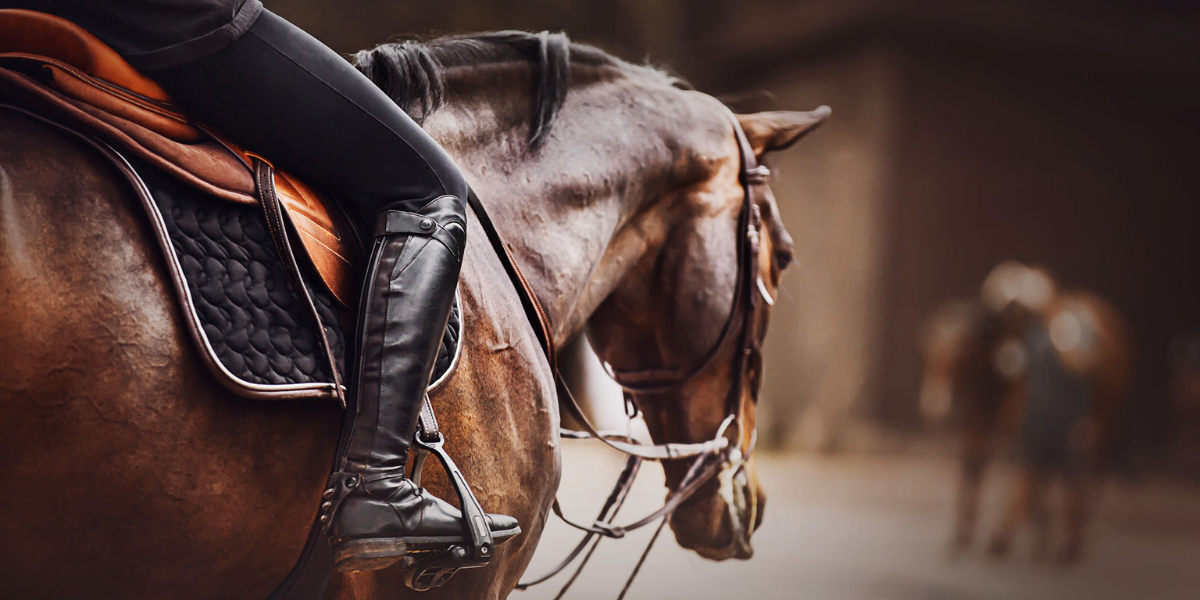
As a dedicated horse owner, I’m constantly mindful of the importance of providing my horses with a healthy and balanced diet. After all, horses rely on their food for energy, overall health, and long-term vitality. One of the first things I learned when caring for horses was understanding the right food horses can and can’t eat. Their diet is more than just about satisfying hunger; it’s about ensuring they receive the necessary nutrients for growth, maintenance, and optimal performance. In this article, I will dive into the foods that are beneficial for horses and the dangerous ones that could harm them.
What Food Horses Can Eat
Horses are herbivores, which means they naturally thrive on a plant-based diet. This diet is primarily composed of roughage, which includes grasses and hays, but it can also include grains, fruits, and certain vegetables. Knowing what food horses can eat will help you create a feeding plan that supports your horse’s specific health needs.
Hay and Grass: The Foundation of a Healthy Diet
Grass is the most natural and essential food for horses. It’s packed with the right fiber and nutrients that help support their digestive systems. In the warmer months, horses can graze on fresh pasture grass, but during the colder months or when grazing space is limited, hay becomes a crucial component of their diet. For my horses, I’ve found that high-quality hay, such as timothy hay or orchard grass, is perfect for providing them with fiber and nutrition while keeping their digestive systems in check. These hays are rich in fiber, which is vital for proper digestion and gut health.
Alfalfa hay, another popular choice, is a more nutrient-dense option and can be ideal for younger, growing horses or for those with higher energy needs, such as pregnant mares or working horses. However, I make sure not to overfeed alfalfa hay to adult horses, as the high protein content could lead to weight gain or digestive upset.
Grains: A Boost of Energy When Needed
Although roughage should make up the bulk of a horse’s diet, grains like oats, barley, and corn can also be beneficial in moderation, especially for active horses or those that require additional energy. I’ve fed my horses oats in small quantities to give them a healthy boost of energy before strenuous rides or events. Oats are a great option because they’re easy to digest, low in starch, and help maintain consistent energy levels. However, I avoid overfeeding grains, as this can cause gastrointestinal issues like colic or metabolic disorders in horses.
Some horses may benefit from pelleted grain feeds that are specially formulated for certain health conditions or performance needs. But, as with all foods, I ensure that grains are offered in appropriate quantities and balanced with their overall diet.
Fruits and Vegetables: Tasty Treats in Moderation
While roughage and grains should be the primary components of a horse’s diet, fruits and vegetables can serve as healthy and enjoyable treats. Horses love a variety of fruits such as apples, pears, and bananas. These fruits provide vitamins, antioxidants, and a little natural sugar, making them an enjoyable way to supplement their nutrition. However, I ensure that I feed fruits in moderation, as too much sugar can cause digestive problems. Carrots, in particular, are a favorite treat among my horses, and they offer a good source of vitamin A and beta-carotene.
Certain vegetables, such as cucumbers and sweet potatoes, are also great additions to a horse’s diet. They provide hydration, fiber, and essential vitamins without any harmful effects when offered occasionally. I make sure to cut them into smaller, manageable pieces to prevent choking.
Salt and Electrolytes: Essential for Hydration
Horses need to stay hydrated, especially during hot weather or after physical exertion. In addition to fresh water, offering a salt lick or providing electrolyte supplements is a great way to help them maintain fluid balance. Horses sweat, and during intense work or during the summer months, they lose important minerals like sodium, potassium, and magnesium. By ensuring that my horses always have access to a salt lick or electrolyte-rich feed, I can help them stay hydrated and replenish their body’s needs.
What Food Horses Can’t Eat
While horses have relatively simple digestive systems, there are several foods that are not suitable for them and can pose serious risks to their health. As a responsible horse owner, I make sure to avoid feeding my horses these harmful foods, which can lead to severe digestive issues, toxicity, or even death.
Chocolate: A Dangerous Treat
Although chocolate is a sweet and tempting treat for us, it’s one of the most dangerous foods for horses. Chocolate contains theobromine, a stimulant that can cause serious health issues in horses. Symptoms of chocolate toxicity in horses include colic, elevated heart rate, seizures, and even death in severe cases. I make sure to keep all chocolate products far away from my horses, especially during holidays or celebrations when it might be more accessible.
Onions and Garlic: Harmful to Their Blood
Garlic and onions are both popular ingredients in human cooking, but they should never be fed to horses. These foods contain compounds that can lead to hemolytic anemia, a condition where the red blood cells are destroyed. This can result in lethargy, poor appetite, and other health complications. Even small amounts of garlic or onion can cause damage to your horse’s red blood cells, so I avoid them entirely in their diet.
Nightshade Family: Poisonous Plants to Avoid
Horses should never consume foods from the nightshade family, such as potatoes, tomatoes, eggplants, and peppers. These plants contain solanine, a toxic substance that can cause severe gastrointestinal distress and even fatal reactions in horses. My advice is to keep these foods out of reach, and always be cautious of any plants growing in the pasture that might belong to the nightshade family.
Dairy Products: No Good for Horses
Though horses are mammals and produce milk as foals, they are lactose intolerant as adults. This means they cannot properly digest dairy products like milk, cheese, or yogurt. Feeding these items to horses can result in digestive upset, diarrhea, and discomfort. I’ve learned the hard way not to offer dairy as a treat, as it can lead to unnecessary issues.
Toxic Plants: A Constant Threat
There are numerous toxic plants that are harmful to horses. Some of the most common include oleander, yew, ragwort, and foxglove. These plants contain potent toxins that can cause a range of health issues, from digestive disturbances to heart failure and death. I make it a priority to regularly check my pastures for any dangerous plants and remove them immediately. Having knowledge of these plants and their potential impact is essential for keeping horses safe.
Tips for Feeding Your Horse
Feeding horses is a balancing act, and a few general tips can go a long way in ensuring their health.
Consult with a Veterinarian
Every horse is different, so it’s essential to work with a veterinarian to tailor their diet to their specific needs. Whether it’s adjusting the amount of grain or ensuring they get the right supplements, I always ask my vet for advice to create the best feeding plan for each horse in my care.
Monitor Portion Sizes
Overfeeding can be just as harmful as underfeeding. I always monitor portion sizes and avoid offering excess amounts of grain or treats, as this can lead to obesity or metabolic disorders. Hay and grass should make up the majority of their diet, with grains and treats offered in moderation.
Clean and Safe Environment
Finally, it’s important to keep your horse’s environment clean and free of dangerous plants, spoiled food, or any other potential hazards. I regularly inspect the pastures and barn areas to make sure there’s nothing that could harm my horses.
Conclusion
Knowing what food horses can and can’t eat is essential for maintaining their health and well-being. A proper diet that includes high-quality hay, grass, and the right amount of grains and treats will help keep your horse in top condition. Avoiding harmful foods such as chocolate, onions, and toxic plants is just as important. By staying informed and consulting with a veterinarian, I ensure that my horses receive the best possible care. Their diet plays a crucial role in their long-term health, and as a horse owner, it’s my responsibility to make informed choices. With the right knowledge, you can ensure that your horse enjoys a happy and healthy life.