Horse Riding Tips for Winter: How to Enjoy the Ride and Stay Safe
Winter riding is an experience I look forward to each year. There’s something special about riding through crisp, cold air with the world covered in a blanket of snow. However, winter weather brings its own set of challenges that require careful preparation and thought. Over the years, I’ve picked up some essential horse riding tips for winter that ensure both my horse and I stay safe, warm, and comfortable. Whether you’re an experienced rider or just getting started, these tips will help you navigate winter riding with confidence.
Preparing for a Winter Ride
Before you even think about riding in winter, it’s important to take the necessary steps to get ready for the cold. Preparing your gear, clothing, and mindset will ensure you’re able to enjoy your ride despite the chill.
Dress Smart for Winter Rides
One of the key horse riding tips for winter is to dress in layers. Wearing appropriate clothing is essential to staying warm without becoming too hot once you start moving. I always make sure to wear moisture-wicking fabrics as my first layer to help keep sweat off my skin. Fleece or wool sweaters are my go-to for insulating layers, as they help trap body heat without adding too much bulk. I also always opt for a waterproof outer layer that protects against snow and rain.
Your gloves are a must-have, and I personally prefer thermal gloves that offer both flexibility and warmth. A warm, insulated hat or a helmet liner is another must. As the cold can creep up on your extremities, I make sure to wear thick socks and waterproof boots, as wet feet can quickly ruin a ride.
Focus on Comfort, Not Just Warmth
It’s easy to want to bundle up to the max, but it’s important not to over-layer. I’ve learned from experience that when riding, you don’t want to be so overdressed that you become too hot or uncomfortable. You’ll need to stay warm, but at the same time, you want to avoid sweating too much, which can make you cold once you stop riding. I typically dress in layers I can easily adjust depending on how I feel throughout the ride.
Looking After Your Horse in the Cold
Your horse is the true athlete when it comes to winter riding, so it’s crucial to ensure they are as well-prepared as you are. The cold weather requires special attention to their comfort and well-being.
Blanketing and Shelter for Your Horse
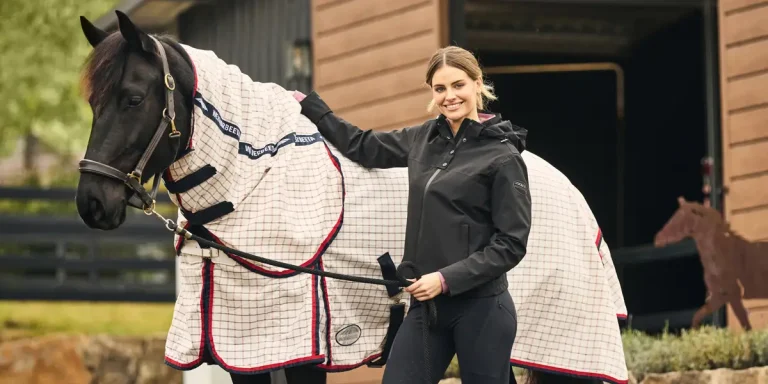
I find that one of the most important horse riding tips for winter is to make sure your horse has a well-fitted blanket. Even though some horses grow thicker coats during the colder months, a blanket provides extra warmth during harsh conditions. If your horse is outside for extended periods, providing shelter from the wind and snow can make a big difference. A stable or field shelter can give them a safe space to avoid the elements.
Remember, not all horses need a blanket in winter, but it’s a good idea to monitor your horse closely. If they are shivering or their coat looks flat instead of fluffy, a blanket might be necessary.
Maintain Hoof Health During Winter
Winter conditions can take a toll on your horse’s hooves. Wet and icy ground can make hooves more susceptible to injury or infection, so regular cleaning is essential. I always check my horse’s hooves for ice buildup after each ride. A hoof pick is my best friend during these months, as it helps me remove any ice or debris that might have collected.
In addition, I often apply hoof oil or a protective dressing, especially if the weather is very wet, to keep their hooves from cracking. If you’re riding in snow or ice, I recommend using studs or shoes designed for traction. These can significantly reduce the risk of your horse slipping on icy surfaces.
Riding in Winter Conditions
Once you and your horse are prepared, it’s time to think about the actual ride. Winter ground conditions can be challenging, so it’s important to adapt your riding to ensure safety.
Adjust Your Riding Techniques for Safety
One of the most important horse riding tips for winter is to adjust your riding to match the conditions. Snow can make the ground softer, while ice can make it slippery. I try to reduce the pace of my rides in winter, especially when the ground is less stable. It’s better to take things slow to ensure both my horse and I stay balanced and in control.
In areas with snow or ice, I often ride at a walk rather than a trot or canter. This helps avoid the risk of sudden movements or slipping. If the ground is slick, I make sure to keep my horse’s stride shorter and more controlled. It’s crucial not to push the horse too hard, as excessive strain can lead to injury.
Avoid Riding on Frozen Ground or Ice
As tempting as it may be to ride across a beautifully snowy field, I’ve learned that riding over frozen ground or patches of ice is risky. Ice is often hidden under snow, and unless you can safely identify a clear path, it’s best to avoid riding on it. If you do need to cross icy patches, I always take my horse on foot first to test for stability.
During winter, always check the weather forecast before riding. Sudden snowstorms or freezing rain can create dangerous riding conditions that you want to avoid. It’s always better to be cautious and delay your ride than risk heading out in hazardous conditions.
Ensuring Horse Safety in the Cold
Winter poses unique risks for both riders and horses, so it’s important to take extra precautions.
Protect Your Horse’s Breathing
Winter air can be dry and harsh, and this can sometimes affect a horse’s respiratory system. It’s essential to keep an eye on your horse’s breathing during winter rides. Avoid pushing your horse too hard in cold, dry conditions to prevent strain. I always make sure to keep my horse hydrated, as dehydration can exacerbate the effects of dry air. Giving your horse access to fresh, clean water throughout the day is critical.
Keep Your Horse’s Coat Healthy
Even though your horse may be covered by a blanket, it’s important to pay attention to their coat’s condition. Cold weather can dry out their skin and coat, so I make sure to groom my horse regularly to stimulate the natural oils in their coat. Regular grooming also helps to detect any skin irritations or issues caused by the cold weather.
Conclusion
Riding in winter is a special experience, but it requires extra care and preparation. Following these horse riding tips for winter will help ensure that both you and your horse stay safe, comfortable, and ready to enjoy the ride. From dressing in layers and taking care of your horse’s hooves to adjusting your riding style and taking precautions in icy conditions, each step plays a vital role in making winter riding enjoyable. With the right preparation, you can embrace the winter season and continue your rides no matter how cold it gets!