
Reasons Why Your Horse Needs Leg Protection
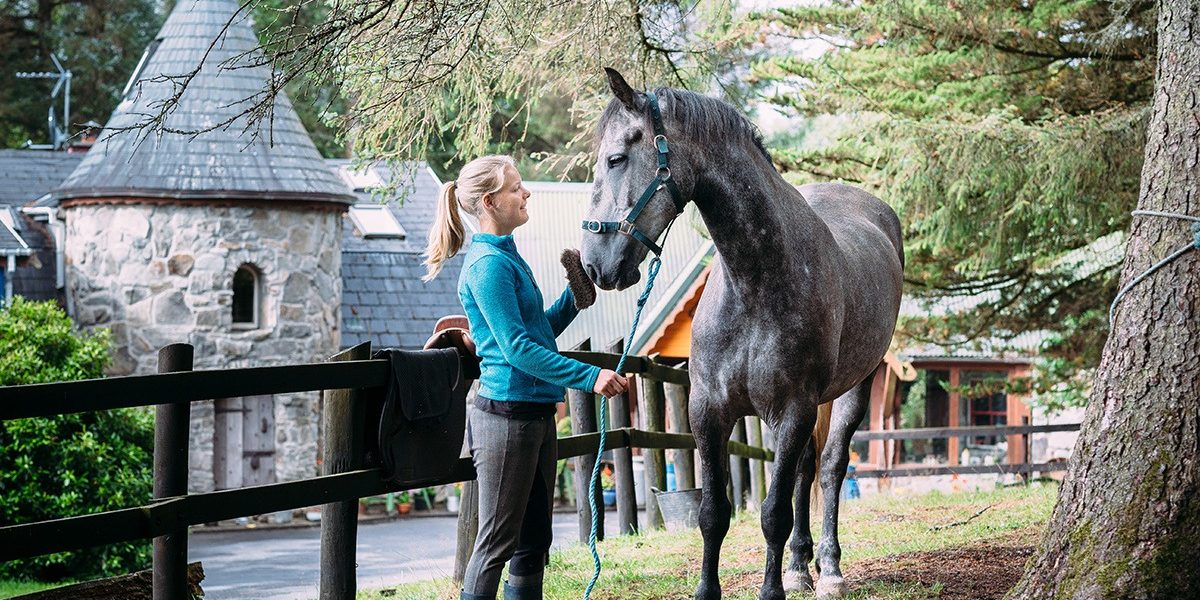
As an equestrian, I know just how essential it is to keep our horses in peak condition, especially when it comes to their legs. Horse legs are not only delicate but incredibly important for their overall performance, whether you’re galloping across the field or jumping over obstacles. Having spent years around horses, I’ve come to realize that proper leg protection is crucial for their safety, comfort, and longevity. In this article, I will explain the top reasons why your horse needs leg protection, drawn from my personal experiences and knowledge gained throughout the years.
The Fragility of Horse Legs
Anyone who works with horses regularly understands that their legs are vulnerable. Despite their power and grace, a horse’s legs are susceptible to injury, especially in the lower parts where the bones and tendons are most exposed. The lack of muscle around their lower limbs means there’s less natural cushioning, making the legs more prone to impact and injury. As riders, it’s essential for us to be aware of how easily their legs can be hurt, and why protecting them is necessary. With so much stress and force being placed on their legs during activities, injuries can occur if we don’t take the proper precautions.
Common Causes of Leg Injuries
There are many ways a horse can injure its legs. Whether it’s a misstep while riding on uneven ground, a knock from another horse during training, or even a sharp turn that puts strain on the joints, horses are constantly at risk for leg injuries. Some common injuries include strains, sprains, and fractures, all of which can take a long time to heal and may result in chronic issues if not handled properly. These injuries are not only painful for the horse but can also disrupt their training or performance.
Preventing these injuries before they happen is one of the primary reasons why your horse needs leg protection. When horses wear the right leg gear, it can reduce the risk of such injuries by providing an extra layer of support and shielding them from impact. The right protective gear can absorb shock and cushion their legs, ultimately making their daily activities safer.
Benefits of Leg Protection for Your Horse
Now that we’ve covered the risks, let’s explore why providing leg protection is so beneficial for horses, both for their safety and their comfort. Over the years, I’ve seen firsthand how leg protection can improve a horse’s well-being and performance, especially for those who regularly participate in activities that put extra strain on their legs.
Preventing Bruising and Scrapes
Horses can easily get bruised or scraped when moving through rough terrain or if they brush against obstacles during training or competitions. These seemingly minor injuries can cause discomfort and become more serious if left untreated. By using leg protection like boots or wraps, you can significantly reduce the chance of such superficial injuries. The protection acts as a barrier, keeping the legs safe from bumps, scrapes, and abrasions that might otherwise occur during everyday activities.
Promoting Faster Recovery
Injuries, no matter how small, are inevitable in a horse’s life. However, one of the key reasons why your horse needs leg protection is its ability to aid in the recovery process. Once a horse has sustained an injury, they are at risk of re-injury or suffering further damage to the affected area. Using supportive leg wraps or boots during their recovery period can help stabilize the injured area, reduce swelling, and encourage the healing process. This added support helps minimize unnecessary movement that could slow down the recovery process, ensuring that your horse gets back to full health much quicker.
Supporting Performance and Comfort
The overall comfort of your horse during activities plays a significant role in how well they perform. When a horse’s legs are well-protected, they are less likely to suffer from fatigue or soreness, which can negatively affect their ability to perform at their best. Whether your horse is participating in dressage, jumping, or endurance riding, leg protection can provide the support needed to keep them comfortable and performing optimally. This protection ensures that your horse remains agile and able to execute complex maneuvers without the added risk of leg strain or injury.
Maintaining Long-Term Health
Proper leg protection can also have a lasting impact on your horse’s long-term health. Horses are built to run, jump, and move fluidly, but continuous stress on their legs without adequate protection can lead to chronic conditions like arthritis or tendonitis over time. By providing the right protection from an early stage, you can prevent the wear and tear that leads to such issues, helping your horse maintain a healthy and active lifestyle for years to come. This longevity is especially important for competitive horses or those that are involved in heavy physical labor.
Types of Leg Protection to Consider
There are many different types of leg protection available for horses, each designed to suit various activities. Whether you’re engaged in competitive riding or just looking to protect your horse during training, it’s important to choose the right type of gear. Below, I’ll break down a few of the most popular options.
Protective Boots and Wraps
One of the most common forms of protection for a horse’s legs is boots. Protective boots come in different types, each serving a distinct purpose. For example, splint boots are great for preventing injuries to the cannon bone, while tendon boots protect the tendons from trauma. Similarly, wraps, which can be made from various materials such as fleece or cotton, help stabilize the leg and provide support to the tendons and muscles during exercise. When choosing between boots and wraps, consider your horse’s activity level and the type of protection they need.
Bell Boots
Bell boots are essential for protecting the heels and preventing overreaching. Overreaching occurs when a horse’s hind legs strike their front legs, which can lead to injury or damage to the hoof. Bell boots are typically worn on the front legs to guard against these types of injuries, providing protection around the heel area. If your horse tends to overreach while cantering or jumping, bell boots should be part of their leg protection routine.
Fetlock Boots
Fetlock boots are designed to protect the fetlock joint, which can be particularly vulnerable during jumping, barrel racing, or other high-impact activities. These boots offer extra protection to the lower leg joint and tendons, reducing the chance of hyperextension or other types of injury. For horses that perform in fast-paced or high-intensity events, fetlock boots are highly recommended.
Choosing the Right Protection for Your Horse
When selecting leg protection for your horse, there are a few key factors to consider. Fit is one of the most important elements, as ill-fitting protection can cause discomfort or restrict movement. Make sure the boots or wraps you choose are snug but not too tight, and ensure they don’t rub against your horse’s skin. Additionally, consider the material; breathable fabrics are essential for preventing overheating and discomfort during long rides. Finally, think about your horse’s specific needs. If your horse is jumping, you may need a different level of protection than if they are only being used for light riding.
Conclusion
In conclusion, there are many reasons why your horse needs leg protection, ranging from preventing injuries to supporting their overall well-being. The legs are one of the most vital and vulnerable parts of a horse’s body, and by using the appropriate protection, we can ensure that they remain safe and healthy for years to come. Whether your horse is training, competing, or simply enjoying daily rides, providing leg protection should be an essential part of their routine. By understanding the importance of this protection and selecting the right gear, you’ll not only improve your horse’s performance but also give them the best chance for a long, healthy life.


