
Horse Care Tips for Summer: My Personal Routine
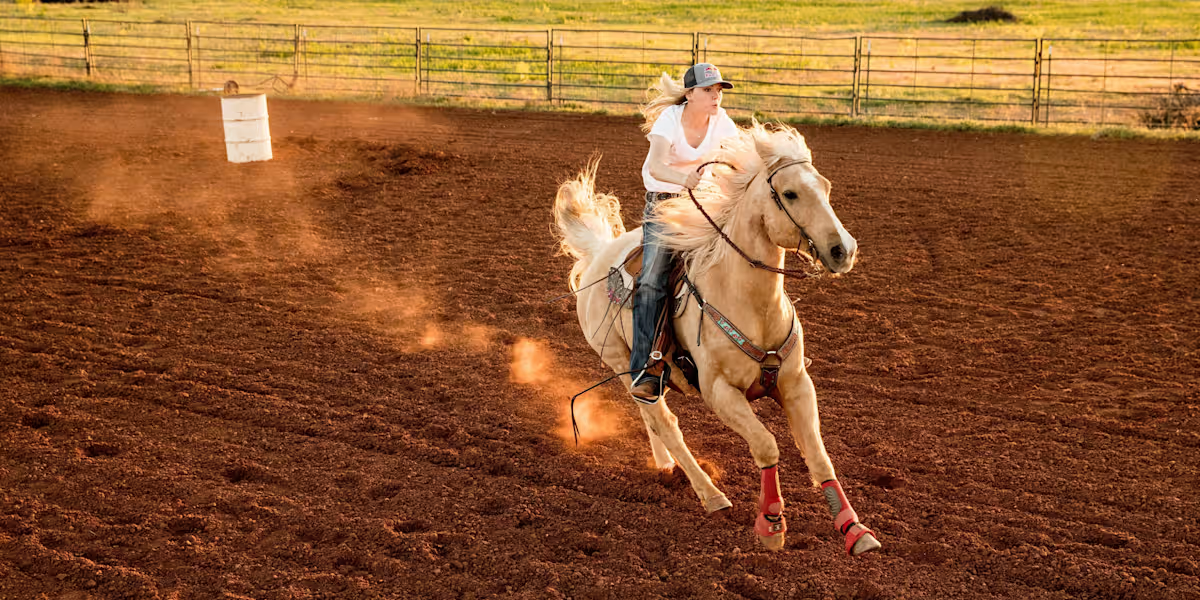
When the days stretch longer and the sun beams down with full force, summer creates a beautiful backdrop for horseback riding. But as lovely as it seems, this season demands special attention to how we care for our horses. Over the years, I’ve learned that keeping horses safe and comfortable in the heat requires a different approach. In this post, I’m sharing my personal horse care tips for summer to help you get through the hottest months without a hitch.
Before diving into specific strategies, it’s important to recognize the dangers that summer can bring. Intense heat, relentless insects, and strong UV rays aren’t just uncomfortable—they can pose serious health risks. Horses are athletes by nature, and like any athlete, they need extra care during tough environmental conditions. That’s why following reliable horse care tips for summer has become part of my daily routine.
Prioritizing Water Intake
One lesson I learned early on is that dehydration sneaks up quickly in horses. Sometimes, by the time you notice a problem, it’s already serious.
How I Keep My Horses Hydrated
In the summer, I make it a non-negotiable rule to check water buckets and troughs several times a day. I scrub them clean regularly because algae and bacteria love the warm temperatures too. To encourage more drinking, I often add a pinch of loose salt or provide mineral blocks. When it’s particularly hot and humid, I’ll mix electrolytes into their feed or water to replace essential minerals lost through sweat. A well-hydrated horse stays cooler and performs better, and it gives me peace of mind during long trail rides or training sessions.
Sun Protection for Sensitive Skin
The first time I noticed sunburn on my light-skinned gelding’s nose, I felt awful. It was a hard lesson, but it made me realize how important sun protection is.
My Strategy for Preventing Sunburn
I now use horse-safe sunscreen on vulnerable areas every morning. Fly masks with built-in UV protection are another essential piece of equipment. They not only shield the face from flies but also reduce sun exposure. I try to avoid turning my horses out during peak sunlight hours and ensure there’s always access to shady spots, whether it’s under trees or in a run-in shed. These simple horse care tips for summer have spared my horses a lot of discomfort.
Keeping Insects at Bay
Summertime is prime season for flies, mosquitoes, and gnats. If left unchecked, they can turn your horses’ lives into a nightmare.
My Personal Approach to Insect Control
I’m pretty religious about my fly management program. Each horse gets a thorough coating of fly spray before heading outside. I also outfit them with lightweight fly sheets and masks for extra protection. Barn cleanliness is crucial—manure removal happens daily, and I dump any standing water that could attract mosquitoes. Installing fans in the stalls has helped enormously too, as moving air discourages flies from hanging around. Consistency is key here. The more consistent I am, the fewer problems I see with bug bites and skin infections.
Monitoring for Heat Stress
One of the scariest situations I’ve faced was dealing with a horse suffering from heat exhaustion. Since then, I watch closely for early warning signs.
How I Manage Heat Exposure
I plan all my rides either early in the morning or late in the evening when the temperatures are cooler. If the weather is brutally hot, I simply reschedule. No ride is worth risking my horse’s health. After rides, I immediately cool them down by hosing them off, scraping off excess water, and letting them stand in the shade. I also offer small amounts of water during breaks to prevent overdrinking on a very hot stomach. Having a sensible plan to handle heat is one of the most critical horse care tips for summer that I stick to without compromise.
Feeding Adjustments for the Season
Horses burn energy differently when it’s hot out, and their feeding needs can change, even if their workload stays the same.
My Summer Feeding Routine
I typically lighten the grain portions a bit and focus more on quality forage. Good hay and fresh grass remain the cornerstones of their diet, but I make sure that pasture grazing doesn’t happen during the hottest parts of the day. I also incorporate feeds that are rich in electrolytes and keep an eye on body condition. If I notice weight loss or sluggish behavior, I make immediate adjustments.
Grooming and Skin Care
Daily grooming takes on even more importance during the summer months. Sweat, dust, and fly sprays can build up on the coat, leading to skin irritations.
Grooming Habits That Work for Me
I give each horse a quick rinse after sweaty rides and follow up with a thorough brushing once they’ve dried off. This helps remove dirt, loose hair, and any lingering fly spray residue. I pay special attention to the girth and saddle areas to prevent any rubbing or sores. Plus, grooming gives me a chance to check for any nicks, swelling, or signs of heat-related skin issues like rain rot.
Hoof Health During Summer
It’s easy to forget about hooves when focusing on hydration and heat, but they can suffer in dry or wet summer conditions.
How I Keep Hooves Healthy
Regular trimming schedules are more important than ever. Dry ground can cause hooves to crack, while sudden summer storms can create muddy conditions that promote infections like thrush. I use a good hoof conditioner when things get very dry, and I make sure pastures aren’t overly muddy to prevent hoof rot.
Maintaining Exercise Without Overdoing It
While it’s tempting to take advantage of the great weather, horses still need moderation.
Finding the Right Balance
During summer, I shorten my training sessions and focus on lighter work. Trail rides, low-impact arena exercises, and groundwork sessions replace intense schooling. I also give my horses plenty of days off to simply relax and recover. This way, they stay fit without risking heat exhaustion or injury.
Planning for Summer Travel
Summer often means trailering horses to shows, trails, or clinics. Traveling in hot weather brings its own set of challenges.
My Travel Checklist
When transporting horses in the summer, I start by planning trips during the cooler parts of the day. I make frequent stops to offer water and check their condition. Ventilation in the trailer is non-negotiable—I open every window and make sure airflow is constant. Before hitting the road, I always double-check that the trailer is clean, dry, and stocked with plenty of hay and water.
Conclusion
Summer can be one of the best seasons to bond with our horses, but only if we stay mindful of the unique challenges it brings. Through trial and error, I’ve created a reliable system of horse care tips for summer that keeps my horses safe, happy, and thriving even on the hottest days. From hydration and sun protection to grooming and heat management, every little step we take matters. I hope these tips help you enjoy the sunny season just as much as I do—with healthy, content horses by your side.


