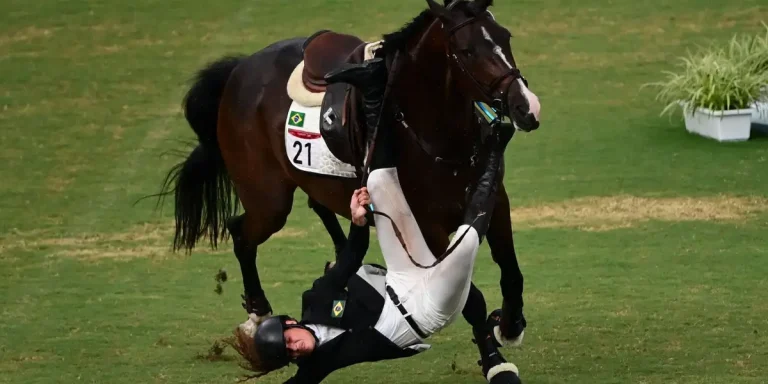
Horse Care Tips and Tricks

Caring for horses is not just about feeding, grooming, and riding; it’s about building a strong and trusting relationship with these magnificent creatures. Through my years of experience, I’ve learned that proper horse care goes far beyond the basics, involving regular attention, patience, and understanding. I want to share with you my best horse care tips and tricks that I’ve picked up along the way, which will help you keep your horse in peak condition.
Understanding Your Horse’s Individual Needs
Every horse is unique, and it’s important to recognize that their care needs will differ depending on factors like age, breed, temperament, and level of activity. Understanding these individual needs is one of the most crucial horse care tips and tricks I can offer. A horse that’s been used for intense work or competition might need more rest and recovery time than a younger horse with less training. By spending quality time observing your horse’s habits, you’ll begin to understand their likes and dislikes, how they communicate through body language, and what they need to stay comfortable. This deeper connection is the foundation of effective horse care.
Grooming: The Foundation of Horse Care
When I first started working with horses, one of the first lessons I learned was the importance of grooming. Horse grooming is not only essential for keeping your horse clean, but it’s also a fantastic way to bond with them. It helps maintain their coat, skin, and hooves, and it allows you to check for injuries or other issues. I always begin with a curry comb, which helps loosen dirt, hair, and other debris stuck to the coat. This is followed by a stiff brush, which is great for removing the loosened dirt and polishing the coat. The soft brush is my final touch, giving the coat a gentle shine.
Another important aspect of grooming is paying close attention to the horse’s ears, face, and mane. These areas tend to get overlooked, but they can become irritated or dirty, which can affect your horse’s comfort. Additionally, grooming gives you the chance to check for things like cuts, bruises, or any signs of infection.
Hoof Care: Keeping Your Horse’s Foundation Healthy
The importance of hoof care cannot be overstated. Hooves are essentially the foundation of your horse’s body, and if they are not properly maintained, serious health issues can arise. As part of my daily routine, I always pick my horse’s hooves to ensure that no stones or debris get lodged in them. Over time, I’ve learned that even the smallest pebble can cause discomfort and lead to complications, so regular checks are vital.
I also schedule regular visits with a farrier to ensure that my horse’s hooves are trimmed and balanced properly. A farrier’s role is crucial in preventing common hoof problems such as cracks, chips, and thrush, and can make all the difference in preventing lameness.
Nutrition: Fueling Your Horse for Performance and Health
A healthy diet is one of the pillars of good horse care. Horses are natural grazers, which means they require constant access to high-quality hay and fresh grass. The quality of the hay should always be checked to ensure that it’s free of mold, dust, and contaminants. I’ve learned that feeding your horse too much or too little can lead to weight problems, so it’s important to establish a balanced feeding plan.
Alongside hay, I feed my horse a mix of grains to provide extra energy when necessary, especially for more active horses. Additionally, I ensure they have access to fresh water at all times. A horse that is dehydrated will become sluggish, and dehydration can also cause more severe health problems such as colic, a potentially life-threatening condition.
Supplements: Supporting Special Needs
In addition to the basic feed, many equestrians like me incorporate supplements into their horses’ diet to support their health. Whether it’s joint support, vitamins, or coat conditioners, supplements can play a crucial role in keeping your horse at its best. I always consult with my veterinarian before introducing any new supplements to my horse’s diet. They can provide guidance on which products are necessary based on your horse’s age, workload, and health needs.
Exercise: Keeping Your Horse Fit and Mentally Stimulated
Like humans, horses need regular exercise to stay fit and healthy. Depending on your horse’s age and activity level, the amount of exercise will vary, but one thing I’ve learned over the years is that consistent movement is key. I make sure to ride my horse several times a week, incorporating a mix of light hacking and more intense exercises such as dressage or jumping.
Mental stimulation is just as important as physical exercise. Horses are intelligent animals, and they thrive on variety. I keep my horse’s workouts interesting by incorporating obstacles, different terrains, and training exercises that challenge both their mind and body. Keeping their routine varied prevents boredom and keeps your horse engaged, which is essential for a well-rounded and happy equine companion.
Tending to Your Horse’s Stable: Creating a Comfortable Home
A clean and safe environment is vital for your horse’s well-being. Over the years, I’ve learned the importance of maintaining a well-kept stable. The bedding must be clean and dry to prevent irritation or respiratory problems. I clean out my horse’s stall daily to ensure that the environment is comfortable and free from manure or wet bedding that could lead to infections or odors.
Ventilation is another factor I pay close attention to. Poor ventilation can cause respiratory issues, especially in stables that house multiple horses. I make sure there is plenty of airflow in the stable without exposing my horse to drafts, which can also cause discomfort.
Tack Care: Ensuring Comfort for Your Horse
Another essential aspect of horse care is ensuring that your tack fits properly. Poorly fitting saddles or bridles can cause pain, sores, or even behavioral problems. Before every ride, I carefully check that my saddle is properly positioned and that the girth is snug but not too tight. I also inspect the bridle to ensure that it’s not too tight around the horse’s mouth, as this can cause irritation.
Cleaning your tack after every ride is just as important. Sweat and dirt can accumulate on the leather, which can weaken it over time. Regular cleaning with appropriate leather care products helps prolong the life of your tack and ensures your horse’s comfort during each ride.
Regular Health Checks and Vet Visits
Finally, one of the most critical horse care tips and tricks I can share is the importance of regular health check-ups. Horses are highly susceptible to certain conditions, so it’s essential to schedule routine visits with a veterinarian for vaccinations, dental check-ups, and deworming. Preventative care is always better than dealing with a problem after it arises.
Having a reliable vet that knows your horse’s medical history is invaluable. I also make it a point to monitor my horse’s health between visits. If I notice any changes in behavior, appetite, or physical condition, I contact the vet immediately. Early detection of problems is crucial in keeping your horse healthy and happy.
Conclusion
Horse care is a lifelong commitment, and while it requires time, effort, and attention to detail, the rewards are immeasurable. By following these horse care tips and tricks, you can provide your horse with the best possible life. The bond between horse and rider is unique, and by taking care of your horse’s physical and emotional needs, you’re ensuring that they live a long, happy, and healthy life. Whether you’re an experienced equestrian or just starting out, the key to success lies in being patient, observant, and dedicated to the well-being of your equine companion.