
Equestrian Grooming Tips: The Ultimate Guide to Horse Care
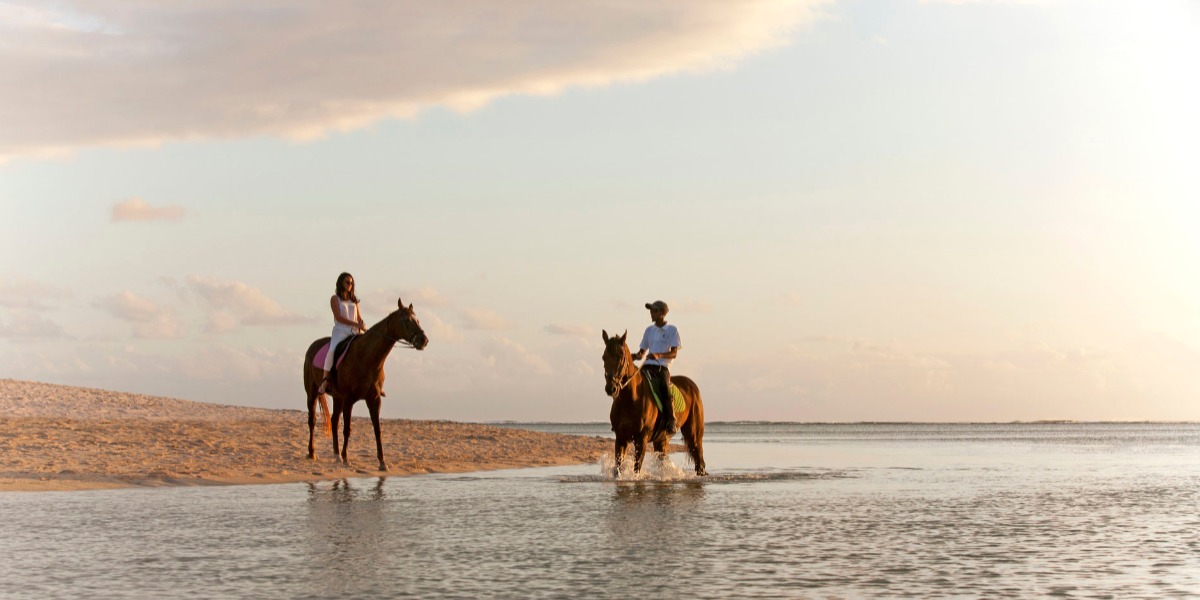
As an avid equestrian, I’ve learned that grooming my horse isn’t just about maintaining a shiny coat—it’s about creating a connection, keeping my horse comfortable, and staying on top of their health. Grooming provides an opportunity to bond, check for injuries, and keep the coat and hooves in excellent condition. In this article, I’m sharing my personal equestrian grooming tips that I swear by to help both new and seasoned riders give their horses the best care possible.
The Importance of Grooming for Your Horse
When it comes to taking care of your horse, grooming is one of the most vital aspects. It goes beyond just removing dirt and keeping your horse looking presentable. Here are a few key reasons why grooming is essential for your horse’s well-being:
- Promotes Healthy Skin and Coat: Grooming helps increase blood circulation and stimulates the production of natural oils, giving your horse a healthy, glossy coat. Regular grooming also helps to prevent the buildup of dirt and sweat, which can lead to skin irritations and infections.
- Helps Spot Health Issues Early: Grooming offers a unique opportunity to check your horse for cuts, bruises, infections, or parasites. By regularly brushing your horse, you can detect minor issues before they become significant problems.
- Builds Trust and Strengthens Your Bond: Grooming isn’t just a practical task; it’s a way to spend quality time with your horse. Through regular grooming, I’ve built trust with my horse, making it a more enjoyable experience for both of us.
- Prevents Tangling and Knotting: A well-groomed horse is less likely to have tangled manes or matted tails, which can be painful and challenging to untangle. Regularly brushing your horse keeps the mane and tail in top condition.
By regularly grooming your horse, you’re helping to maintain their overall health, while also fostering a positive relationship that goes beyond just riding. Let’s dive into some of my best equestrian grooming tips to help you care for your horse.
Must-Have Grooming Tools
Before diving into grooming, it’s essential to have the right tools. Having the right grooming equipment makes the process easier and ensures that you’re caring for your horse correctly. Below are some of the tools I always have in my grooming kit:
Curry Comb
A curry comb is an indispensable tool for loosening dirt, debris, and hair. It’s typically made from rubber or plastic, and the design allows it to gently massage the horse’s coat, stimulating the skin and promoting circulation. I love using circular motions with the curry comb to make sure that I reach all areas, especially under the belly and behind the legs, where dirt can easily accumulate.
Dandy Brush
After using the curry comb, the dandy brush is perfect for flicking away dirt and loose hair. It has stiff bristles that are great for cleaning the coat more thoroughly. I use the dandy brush to remove all the dirt that the curry comb has loosened and to make my horse’s coat look clean and shiny.
Soft Body Brush
Once I’ve removed the bulk of the dirt with the curry comb and dandy brush, I use a soft body brush. This brush is gentle and smooths the coat, ensuring it looks polished. It also helps to distribute natural oils through the horse’s coat, giving it a beautiful shine. I use long, smooth strokes in the direction of hair growth to prevent any discomfort or pulling.
Hoof Pick
Don’t forget the hooves! A hoof pick is essential for ensuring your horse’s feet stay clean and healthy. I always start by picking out the hooves to remove any stones, mud, or debris that could cause discomfort or injury. Taking the time to inspect the hooves regularly helps me identify any potential issues, such as thrush or bruising, early on.
Mane and Tail Comb
A good mane and tail comb is key to keeping your horse’s mane and tail free from tangles. I use a wide-toothed comb to gently detangle any knots, working from the ends toward the roots to prevent breakage. I also make sure to use a detangling spray when necessary to keep the hair smooth and easy to manage.
Grooming Your Horse: Step-by-Step Process
1. Start with the Hooves
The first thing I always do when grooming my horse is clean their hooves. Hoof care is crucial to your horse’s overall well-being, and neglecting it can lead to serious problems, such as lameness or infection. I lift each hoof and use the hoof pick to carefully remove any debris. I make sure to check for any signs of injury or illness, such as cuts, bruising, or abnormal wear.
2. Use the Curry Comb
Once the hooves are clean, it’s time to move on to the curry comb. I gently apply the curry comb in small, circular motions across the horse’s body, starting from the neck and working my way down to the hindquarters. The curry comb helps loosen dirt, dead skin cells, and loose hair. Be careful when using the curry comb on sensitive areas, such as the stomach and under the legs, as some horses are ticklish in these spots.
3. Flick Away Dirt with the Dandy Brush
After using the curry comb, the next step is to grab the dandy brush. I use short, quick strokes to flick away the dirt and hair that the curry comb has loosened. The dandy brush is excellent for getting rid of stubborn dirt, especially in areas like the legs and under the belly. I make sure to brush gently but firmly, ensuring I remove as much dirt as possible.
4. Smooth the Coat with a Soft Body Brush
Once I’ve removed the bulk of the dirt, I finish off with a soft body brush. The body brush helps to smooth the coat and give it a sleek, shiny finish. It’s also a great way to remove any leftover dust or dirt that may have been missed. I always brush in the direction of the hair growth to avoid irritating the horse’s skin.
5. Detangle the Mane and Tail
After grooming the body, I move on to the mane and tail. I gently comb through the mane with a wide-toothed comb, starting at the ends and working my way up to avoid pulling or breaking the hair. It’s important to be patient when detangling the mane and tail, as rough handling can cause discomfort. I also use a detangling spray if the hair is particularly tangled, making the process easier and more comfortable for both me and my horse.
6. Inspect for Health Issues
As I groom, I always take time to check my horse’s body for any cuts, bruises, or signs of infection. Grooming is the perfect opportunity to inspect the skin for any abnormalities. I check the horse’s legs, belly, and neck for any signs of swelling, heat, or tenderness, as these could indicate an injury or underlying health issue. Regular checks help catch problems early, ensuring your horse gets the care they need.
Extra Tips for Effective Grooming
Groom Regularly
Consistency is key when it comes to grooming. I make it a habit to groom my horse every day, even if it’s just for a few minutes. Regular grooming not only keeps your horse clean but also allows you to monitor their health and maintain a strong bond.
Adjust to the Weather
Different weather conditions require different grooming techniques. In the winter, I focus on removing wet mud and sweat marks, as moisture can lead to skin infections. In the summer, I ensure I’m cleaning off sweat and cooling my horse down after workouts to prevent irritation.
Be Gentle and Patient
Remember to always be gentle when grooming. Some horses are more sensitive than others, and rough handling can cause discomfort or anxiety. Grooming should be a calm and soothing experience, so take your time and enjoy the process.
Conclusion
Equestrian grooming tips are about more than just keeping your horse clean; they play a pivotal role in ensuring your horse’s overall health, comfort, and happiness. By using the right tools and techniques, you can make grooming a positive experience for both you and your horse. Whether you’re an experienced rider or just getting started, these grooming tips will help you maintain your horse’s well-being and strengthen your relationship with them.


