
Keeping Your Horse Cool in Summer
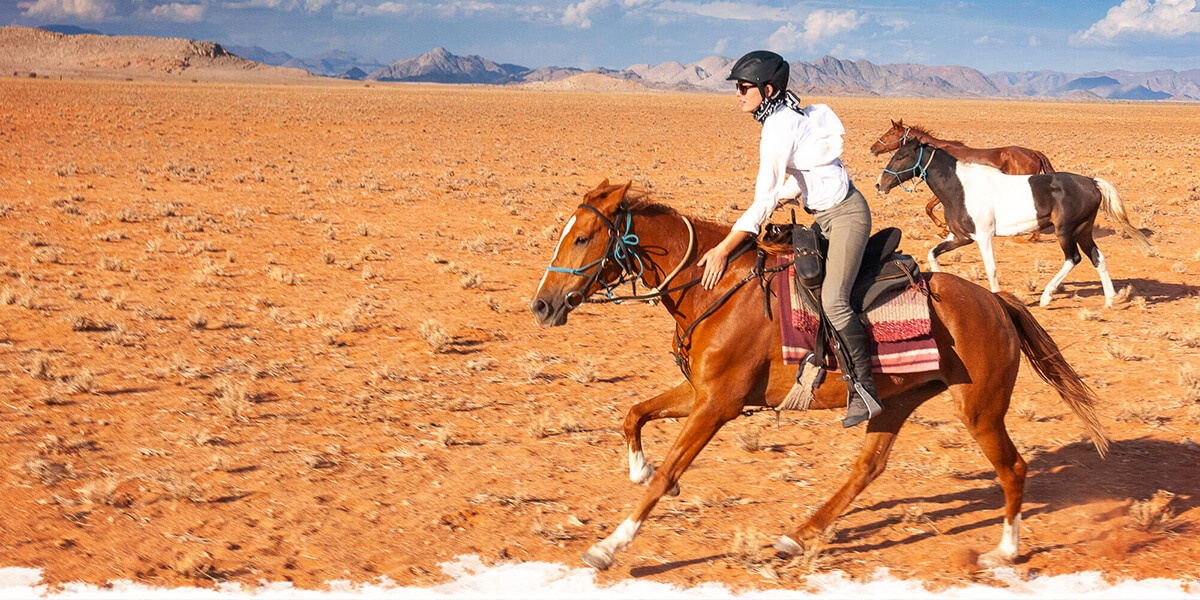
Summer brings endless opportunities for riding, showing, and bonding with our horses, but it also brings soaring temperatures that can be dangerous. Over the years, I’ve learned that keeping your horse cool in summer isn’t just about comfort—it’s about safety and wellbeing. Horses can overheat quickly, and once they do, it can turn into an emergency fast. Let me walk you through what I do to make sure my horses stay cool, hydrated, and healthy when the heat is on.
Understanding the Risks of Overheating
When I first got serious about horse care, I didn’t realize how vulnerable horses are to extreme heat. Unlike people, horses can’t shed layers of clothing or head inside to the air conditioning. Their only defense is sweating, and sometimes that’s not enough. Heat stress can sneak up quickly, especially if a horse is working hard or standing in a sunny paddock without much airflow.
I’ll never forget the time my mare, Daisy, started panting heavily after a short afternoon ride. She wasn’t just hot—she was in the early stages of heat exhaustion. That experience taught me that keeping your horse cool in summer isn’t optional; it’s essential.
Practical Steps for Keeping Your Horse Cool in Summer
Make Water a Top Priority
In the summer, water is my number one focus. Horses drink a shocking amount when it’s hot—easily two or three times their normal intake. I always check their troughs and buckets multiple times a day to make sure they’re full of clean, fresh water. On scorching days, I even add ice cubes to the buckets to encourage drinking and keep the water cool.
I also use electrolytes whenever I notice heavier sweating. Just like athletes, horses lose important salts when they sweat, and replacing them helps prevent dehydration. I usually offer electrolytes in their feed or in a separate water bucket, giving them the choice.
Provide Shady Resting Spots
Another key to keeping your horse cool in summer is offering reliable shade. Trees are great, but if you don’t have many, a simple shelter or run-in shed can make a huge difference. I make sure my pastures have accessible shade and that the shelter has good airflow to avoid trapping heat inside.
At home, I also have a few portable fans set up in the barn to help circulate the air. On days when the heat is unbearable, I’ll leave the horses indoors during the hottest part of the day and turn them out only early in the morning and late in the evening.
Cool-Down Techniques After Exercise
After riding in the summer, I always take extra time to cool my horses down properly. A slow, steady walk after a ride helps their body temperature start to come down. Then, I hose them off with cool (not cold) water, focusing on big blood vessel areas like their neck, chest, and between their back legs.
Sometimes I use a technique called “scraping”—after hosing, I quickly squeegee off the water with a sweat scraper. Leaving water sitting on their coat can actually trap heat, so removing it speeds up cooling. I repeat the process a few times if they’re really hot.
Adjust Training and Riding Times
In the middle of summer, my riding schedule looks very different from the rest of the year. I avoid riding in the heat of the day whenever possible. Early mornings and late evenings are much cooler, and my horses are a lot more comfortable and willing to work.
If I have to ride during warmer hours, I keep the workouts short and low-intensity. Flatwork at a walk and trot, short trail rides in shaded areas, and groundwork exercises become the main focus instead of high-energy jumping or canter sets.
Dress for the Heat
I’ve also learned that what my horse wears can make a difference. Lightweight, breathable fly sheets with UV protection help keep the sun off their back without making them too hot. I stick to fly masks and sometimes even use cooling blankets designed specifically for horses if we’re traveling to a show.
As for me, I wear lightweight riding shirts with ventilation panels, a breathable helmet, and gloves that wick sweat away. If I’m comfortable and not overheating, I can better notice the signs that my horse might be getting too hot too.
Extra Tips That Make a Big Difference
Use Cooling Products
There are some amazing cooling products out there that can help when keeping your horse cool in summer. I sometimes use cooling leg wraps after exercise, especially after cross-country rides or clinics where my horse is working hard. They pull the heat out of the legs and help prevent inflammation.
Cooling sprays are another great option. A light mist of cooling spray after a bath or ride can speed up the cooling process. Just make sure you use horse-safe products without alcohol or harsh chemicals.
Plan Transportation Carefully
One thing that’s easy to overlook is how brutal a horse trailer can get in the summer. If I have to haul my horses anywhere when it’s hot, I plan the trip for early morning and make sure the trailer is well-ventilated. I open all the air vents, sometimes even removing a window or two if it’s safe. I bring water buckets and stop regularly to check on them.
Recognize the Warning Signs
It’s not enough to just prevent overheating—I also stay on high alert for the warning signs of heat stress. Some red flags I watch for include:
- Rapid breathing even when resting
- Excessive sweating or no sweating at all
- Lethargy or stumbling
- Dry gums and sunken eyes
- High heart rate that doesn’t slow down after work
If I ever see any of these signs, I act fast by moving my horse to shade, offering water, and hosing them down. And if they don’t improve quickly, I call my veterinarian right away.
Final Thoughts
Keeping your horse cool in summer is a full-time job, but it’s well worth the effort. A happy, healthy horse will perform better, feel better, and enjoy the season with you. With a little extra planning and a lot of awareness, we can make summer one of the best times of the year for our horses.
Over the years, these routines have become second nature to me, and I love seeing my horses thrive even when the temperature rises. Keeping your horse cool in summer isn’t just about avoiding problems—it’s about giving your horse the best care possible when they need it most.


