Building a Strong Topline: How I Transformed My Horse’s Frame
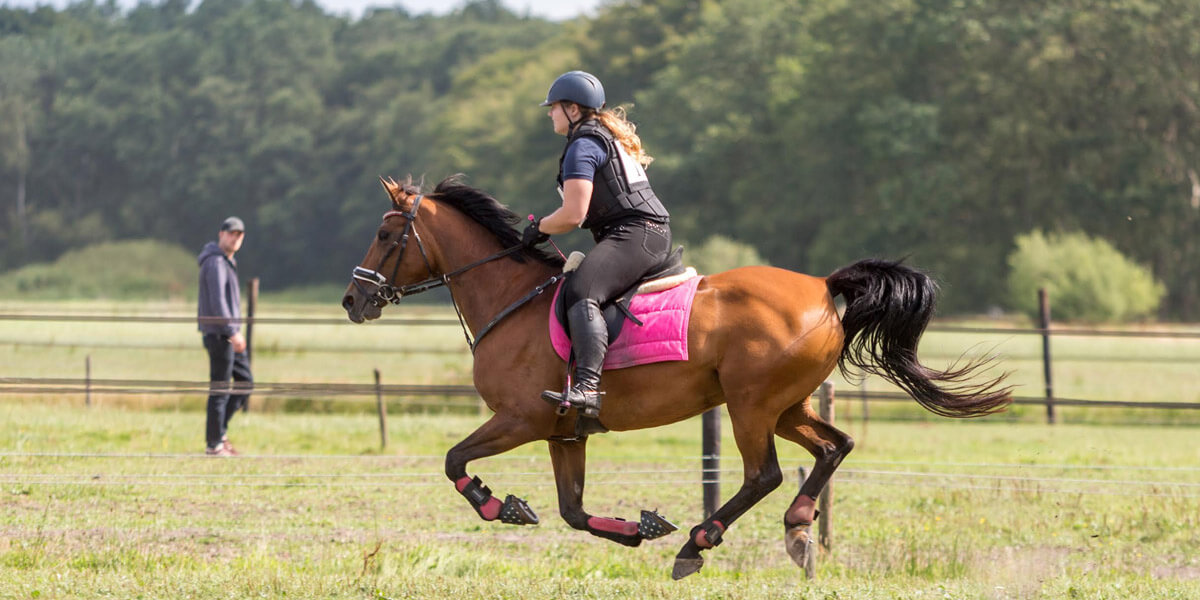
When I first started riding seriously, I kept hearing trainers and fellow riders talk about building a strong topline. At the time, I wasn’t exactly sure what that meant or how to achieve it. I just knew that the horses with beautiful, arched necks and strong backs moved differently — they looked powerful yet relaxed. Over the last few years, I made it my mission to learn everything I could about developing my horse’s topline properly. Here’s the full story of what worked for me, what didn’t, and what I wish I had known sooner.
Understanding What the Topline Really Is
Before I could focus on building a strong topline, I had to understand what it actually included. The topline isn’t just the horse’s back — it’s the entire set of muscles running from the poll (top of the head) down the neck, across the withers, along the back, and into the hindquarters. These muscles are responsible for supporting the rider, maintaining balance, and creating that effortless, flowing movement we all admire.
I learned pretty quickly that a hollow back, weak neck, or stiff hind end weren’t isolated issues. They were all connected to an underdeveloped topline. If I wanted a healthier, happier horse, building a strong topline wasn’t optional — it was essential.
Common Mistakes I Made in the Beginning
At first, I thought that simply riding my horse several times a week would automatically lead to a better topline. I focused heavily on forward movement and speed, thinking that as long as my horse was active, he was getting stronger. Looking back, I realize how wrong I was.
I wasn’t paying enough attention to posture, engagement, or balance. Instead of helping him, I was reinforcing bad habits like hollowing his back and rushing through gaits. It wasn’t until I started working with a knowledgeable trainer that I realized quality of movement matters so much more than quantity.
The Step-By-Step Process I Followed
Changing my approach wasn’t easy, but once I committed to it, the results were incredible. Here’s the system that helped me succeed in building a strong topline for my horse.
Prioritizing Relaxation and Stretch
One of the first things I had to teach my horse was how to relax into his work. That meant encouraging him to reach forward and downward with his head and neck, allowing the muscles along his spine to lift and engage naturally. I started each ride with 10–15 minutes of loose rein walking, giving him the chance to stretch without pressure.
Only once he was relaxed and swinging freely through his back would I pick up the contact and begin more collected work. I learned that without proper relaxation, all the strength-building exercises in the world wouldn’t help.
Incorporating Cavaletti and Pole Work
Another tool I used regularly was cavaletti and ground poles. These simple obstacles encouraged my horse to lift his legs and use his core muscles properly. We started with walk-overs, gradually moving to trot and canter poles as he became stronger.
Riding over poles not only built strength but also improved my horse’s rhythm, focus, and coordination. Pole work days quickly became a staple in my weekly schedule.
Slow, Balanced Hill Work
I’m lucky enough to have access to some beautiful rolling fields, and I put them to good use. Walking and trotting slowly uphill helped build the large muscles in my horse’s hindquarters and lower back. Careful hill work also taught him how to push from behind, which naturally improved his overall frame.
We didn’t gallop up hills or rush — slow and steady was the goal. I stayed centered in the saddle, encouraging him to stay round and balanced during every climb.
Key Exercises That Made a Difference
When it came to building a strong topline, some specific exercises really stood out as game changers for me and my horse. Here are a few that made the biggest impact:
Frequent Transitions
I dedicated entire rides to transitions — walk to halt, halt to trot, trot to canter, and everything in between. Quick, correct transitions forced my horse to stay attentive and engaged. They helped strengthen his hindquarters and taught him how to lift through his back rather than falling on the forehand.
Shoulder-In and Lateral Work
At first, lateral movements like shoulder-in and leg yields seemed complicated. But once we got the hang of them, they became some of my favorite tools for developing strength and flexibility. These exercises helped my horse become more supple, encouraged proper engagement of the topline, and made his movement much more elastic.
Short, Focused Sessions
I used to think that long rides were better for fitness. In reality, shorter, focused sessions produced much better results. I kept most of our topline-building rides under 45 minutes, making sure every minute had a purpose. This kept my horse mentally fresh and physically willing.
Tracking Progress Over Time
One of the most satisfying parts of building a strong topline was seeing the gradual changes in my horse’s body. I took monthly photos and videos, which made it easier to notice small but important improvements. His neck became thicker at the base, his withers smoothed out, and his back became broader and stronger.
Even more importantly, his movement changed. He carried himself with more pride, had a lighter step, and seemed genuinely happier in his work. Riding him became more of a dance than a struggle.
Nutrition and Care Matter Too
I would be leaving out a huge piece of the puzzle if I didn’t mention nutrition. No matter how hard I worked in the saddle, if my horse wasn’t getting the right balance of nutrients, building muscle was going to be an uphill battle.
I worked with my vet and a nutritionist to create a diet rich in quality protein, amino acids, and essential vitamins. We also made sure he was getting enough forage and staying properly hydrated. This support from the inside out made a noticeable difference in how quickly he gained muscle.
Regular chiropractic and massage sessions also helped relieve any tightness or soreness as he adapted to his new way of moving. Taking care of his body holistically made the entire process smoother.
Final Thoughts
If there’s one thing I’ve learned, it’s that building a strong topline is about more than just exercises and drills. It’s about creating a whole program that supports the horse’s physical and mental well-being.
Patience is essential. There were times I felt like we weren’t making any progress at all, only to look back a few weeks later and realize how far we’d come. Staying consistent, listening to my horse, and celebrating small wins along the way kept me motivated.
Today, seeing my horse move proudly with a strong, supple back reminds me why the effort was so worth it. Building a strong topline transformed not just his body, but our entire partnership.
If you’re starting this journey with your own horse, stay encouraged. Every ride, every stretch, every mindful transition adds up. Trust the process — your horse will thank you.


