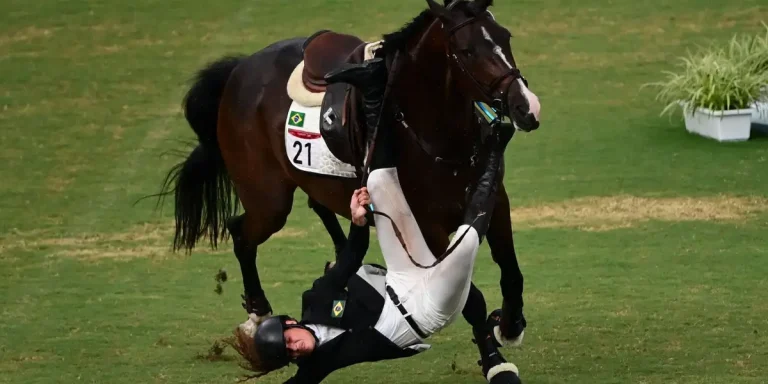
Tips for Falling Safely: Protecting Yourself in the Event of a Fall

As equestrians, we all face the possibility of falling from our horse. Whether you’re an experienced rider or a beginner, the reality is that accidents can happen at any time, no matter how skilled you are. I’ve had my share of falls over the years, and each time, I’ve learned something new about how to fall safely and protect myself from serious injury. In this article, I want to share the most valuable tips for falling safely based on my experiences and lessons learned along the way.
Accepting the Reality of Falling
Before we dive into the specific tips for falling safely, it’s important to acknowledge the risks that come with horseback riding. While it’s easy to get lost in the thrill of riding, all equestrians must accept that falls are part of the sport. No matter how good we get at riding, there will always be moments when a fall is unavoidable. Whether it’s an unexpected spook from the horse, a misstep during a jump, or a slip in the arena, the potential for falling is always present.
The goal should be to minimize the risks as much as possible, but also to be mentally prepared in case a fall happens. Over the years, I’ve learned that having a plan for what to do when you do fall can make all the difference in preventing severe injuries.
Tip 1: Stay Relaxed During the Fall
One of the most important things I’ve learned about falling safely is the importance of staying calm and relaxed. When you’re about to fall, your natural instinct may be to stiffen up or try to brace yourself, but this can actually increase the likelihood of injury. Instead, try to remain as loose as possible. Keeping your body relaxed allows it to absorb the impact more evenly, reducing the risk of strains, sprains, or worse.
In my experience, the more you try to control your body during a fall, the more you end up hurting yourself. Instead of fighting the fall, let your body move with it. The goal is to roll with the momentum, rather than resist it. Learning to trust your instincts and allowing your body to respond naturally is one of the best tips for falling safely I can offer.
Tip 2: Protect Your Head and Neck
Your head and neck are some of the most vulnerable areas when you fall from a horse. I’ve witnessed many riders avoid severe injury simply by making a conscious effort to protect these areas. Always wear a helmet when riding, no exceptions. A helmet is specifically designed to absorb shock and protect your skull from serious injury.
In addition to wearing a helmet, if you feel yourself starting to fall, try to tuck your chin toward your chest. This action will help prevent your head from hitting the ground directly. Instead of landing with your head taking the full force of the impact, the chin tuck can redirect some of the force toward your body, reducing the likelihood of head or neck injury.
Tip 3: Avoid Catching Yourself with Your Hands
When you start to fall, one of the first instincts is often to put your hands out to break your fall. While this seems like a natural way to protect yourself, it can actually cause more harm than good. In fact, I’ve broken my wrist once by instinctively reaching out to catch myself. Instead of catching yourself with your hands, try to keep your arms close to your body.
This may feel strange at first, but the idea is to roll into the fall instead of stopping it abruptly. Try to absorb the impact by letting your body flow with the fall, keeping your arms in a position where they can help guide the roll. This technique can significantly reduce the risk of wrist injuries, fractures, or sprains that are common when hands hit the ground forcefully.
Tip 4: Learn to Roll When Falling
One of the most effective tips for falling safely is learning to roll when you hit the ground. I can’t emphasize enough how important this technique has been in preventing serious injuries. When you’re falling, your body needs to spread the impact over a larger surface area. A roll does just that, by allowing your body to move in a way that reduces the severity of the fall.
I practice rolling on soft surfaces, such as grass or mats, so I can get comfortable with the movement. By rolling instead of hitting the ground flat, I distribute the force of the fall across my body, which helps prevent injuries like bruises, sprains, or broken bones. The key to this technique is to turn your body as you fall. Try to land on your side, allowing your shoulder to take the initial hit. Then, let your body roll naturally across the ground.
Tip 5: Move Away From the Horse
After you fall, it’s vital to move away from the horse as quickly as possible. Horses can be unpredictable, especially if they’re startled after a fall. I’ve learned from experience that staying on the ground near the horse increases the risk of getting stepped on or kicked. As soon as you’re on the ground, roll away from the horse and stay low.
I always try to get clear of the horse within a few seconds of hitting the ground. This gives me a better chance of avoiding any accidental injury from the horse’s hooves. If the horse is in a panic, moving quickly but calmly away from it can prevent further harm.
Tip 6: Wear Protective Gear
Investing in the right gear is one of the most important steps you can take in reducing your risk of injury. A high-quality helmet is essential, but there are other forms of protective gear that can make a significant difference as well. Body protectors or vests, for example, provide extra cushioning for your back and torso. I personally wear one during more intense riding sessions to protect myself in the event of a fall.
In addition to vests, padded gloves and boots can further protect your body from the harsh impacts of a fall. Protective gloves can help absorb the shock to your hands, while sturdy boots can prevent you from getting stuck in the stirrups if you fall. These extra layers of protection are invaluable in reducing the risk of injury when riding.
Tip 7: Practice Falling Safely
Like any other riding skill, learning to fall safely requires practice. While it may seem odd, practicing controlled falls on the ground can be an excellent way to prepare for an unexpected fall while riding. I recommend practicing your roll and fall techniques in a controlled environment with the help of a trainer or coach.
Start by falling on soft ground, such as a grassy field, and focus on making your fall as controlled and safe as possible. With time and repetition, your body will learn how to fall instinctively, and you’ll feel more confident handling any fall that may occur while riding.
Conclusion
Falling is an unfortunate reality of horseback riding, but it doesn’t have to be a scary or dangerous experience. By following these tips for falling safely—staying relaxed, protecting your head and neck, avoiding catching yourself with your hands, rolling when you fall, and wearing the proper gear—you can reduce the risk of injury and stay safe during your riding journey.
The most important thing to remember is that falling is part of learning. By preparing yourself both mentally and physically, you can continue to enjoy horseback riding while minimizing the risks. With practice, awareness, and proper protection, you’ll be able to handle any fall that comes your way and get back in the saddle with confidence.